

A roof is one of the most critical components of a home, providing shelter and protection from external elements. However, over time, roofs are subjected to wear and tear due to weather fluctuations, aging materials, and environmental factors. Regular roof inspections are essential to ensure the longevity and integrity of your roofing system. By scheduling routine check-ups, homeowners can identify potential issues early on and take proactive measures to prevent costly repairs or replacements.
Benefits of Regular Roof Inspections
- Minor damages such as loose shingles or small leaks can escalate into significant structural problems if left undetected.
- An inspection helps uncover these issues before they compromise the strength of your roof.
- Identifying problems early avoids expensive emergency repairs in the future.
- Preventative maintenance often costs significantly less than restoring extensive damage caused by neglect.
- Routine inspections help extend the life of your roof by ensuring timely maintenance and repair work.
- This reduces the need for premature roof replacement due to avoidable complications.
- Damaged roofs can lead to poor insulation, which increases energy bills due to heat loss or gain.
- Inspections ensure that your roofing system functions efficiently, maintaining indoor comfort while reducing energy costs.
What Does a Roof Inspection Include?
| External Components | Internal Components |
| Shingles (missing or damaged) | Attic ventilation & insulation |
| Flashing around chimneys & vents | Signs of water penetration |
| Gutter systems (blockages/debris) | Mold or mildew growth |
| Roof valleys & edges | Structural integrity |
Professional inspectors utilize advanced tools such as infrared cameras and moisture detectors to identify hidden issues that may not be visible during a surface-level evaluation.
How Often Should You Schedule Inspections?
- After Severe Weather Events: High winds, hailstorms, or heavy snow can cause significant damage to roofs that may not be immediately apparent.
- Seasonal Maintenance: Conduct inspections at least twice a year – ideally in spring and fall – to address any seasonal wear.
- Older Roofs: If your roof is more than 10 years old, prioritize regular assessments as materials naturally degrade over time.
- Before Buying/Selling Property: Always request an inspection before making property-related decisions.
Why Hire Professionals for Roof Inspections?
- Knowledgeable in identifying subtle signs of damage that may go unnoticed by an untrained eye.
- Access to safety equipment ensures all parts of the roof are thoroughly inspected without risk.
- Comprehensive reports detailing current conditions along with recommendations for repairs or maintenance.
Routine roof inspections play a pivotal role in safeguarding your home’s value while ensuring long-lasting protection from external elements like rainwater infiltration, UV exposure, wind damage, etc. , ultimately giving you peace of mind over time.
Expert Roofing Services Minneapolis MN: Prevention and Early Intervention for Roof Leaks
Roof leaks are among the most common and potentially damaging issues homeowners face. Left unaddressed, even minor leaks can lead to significant structural damage, costly repairs, and health risks due to mold and mildew growth. Preventative measures, paired with early intervention, can save homeowners time, stress, and money in the long run.
Causes of Roof Leaks
Understanding the common causes of roof leaks can help homeowners take proactive steps to prevent them.
- Damaged or Missing Shingles: High winds, storms, or wear over time can cause shingles to crack or detach.
- Clogged Gutters: When gutters are filled with debris, water can back up onto the roof and seep into vulnerable areas.
- Improper Flashing Installation: Flashing acts as a seal around joints on your roof (e. g. , chimneys or skylights). Poor installation or deterioration can lead to water penetration.
- Poor Attic Ventilation: An unventilated attic can lead to moisture buildup that damages the underside of the roof.
- Aging Roofing Materials: Over time, roofing materials degrade due to exposure to weather elements such as UV rays, rain, and snow.
Early Signs of a Roof Leak
Catching a roof leak early is critical to preventing further damage.
- Water stains on ceilings or walls
- Dripping water during rainstorms
- Mold growth in corners or attics
- Peeling paint or wallpaper near ceilings
- Missing or damaged shingles visible from ground level
If you notice any of these issues, it’s essential to act promptly by consulting a professional roofing contractor.
Prevention Strategies
- A professional inspection every six months or after major storms helps identify potential problems early.
- Inspections allow contractors to address small issues before they develop into more extensive damage.
- Remove leaves and debris from gutters at least twice a year.
- Install gutter guards if clogging is a recurring issue.
- Have flashing inspected periodically for cracks or looseness.
- Replace old flashing when necessary to ensure it remains watertight.
- Branches that hang over your home pose risks during storms by dropping debris.
- Limiting shade also reduces moss growth on roofing materials.
The Importance of Prompt Repairs
Even with preventative measures in place, unexpected leaks may still occur due to severe weather events or unforeseen vulnerabilities in your roofing system.
| Action Item | Why It’s Important |
| Contact a Professional | Roof repairs done by experts ensure long-lasting results without further damage risks. |
| Avoid DIY Fixes | Temporary solutions may worsen underlying problems. |
| Document Damage | For insurance claims related to storm-related damages. |
By addressing leaks quickly through professional intervention rather than delaying repairs until they worsen significantly ensures not only peace-of-mind but also protects one’s investment permanently
Effective Roof Repair: Prevention and Early Intervention for Homeowners
Roof leaks are one of the most common issues faced by homeowners. Left unchecked, even minor leaks can lead to significant damage, including structural deterioration, mold growth, and increased energy costs. Proactively addressing roof leaks through prevention and early intervention is essential to protecting your home and maintaining its value.
Common Causes of Roof Leaks
Understanding what leads to roof leaks can help you prevent them.
– Damaged or Missing Shingles: Strong winds, hailstorms, or heavy rains can dislodge or damage shingles, exposing the underlayer to water penetration.
– Clogged Gutters: When gutters become blocked with leaves and debris, water can back up onto the roof surface and find its way into small cracks or gaps.
– Cracked Flashing Over time, exposure to weather elements can cause cracks or corrosion in this material.
– Poor Installation: A poorly installed roof may lack proper sealing or alignment of materials, leaving it vulnerable to water infiltration.
Steps for Preventing Roof Leaks
Taking a proactive approach to roof maintenance ensures small issues don’t evolve into serious problems.
- Professional inspections should be conducted annually or biannually (especially after severe weather events). Roofing experts can identify vulnerabilities that might go unnoticed by untrained eyes.
- Remove debris such as leaves and twigs from gutters regularly to ensure proper drainage.
- Replace missing shingles or fix cracked flashing as soon as they’re spotted.
- Trees with branches that hang over your roof can drop leaves or scratch roofing materials during storms.
- Adequate attic ventilation prevents moisture buildup that could lead to internal water damage.
Early Signs of a Roof Leak
- Water stains on walls or ceilings.
- Dripping water during rainstorms.
- Missing granules on shingles (visible in gutters).
- Mold or mildew growth in attic spaces.
- Damp insulation in crawlspaces or attics.
If you notice any of these signs, it’s critical to contact a professional roofing contractor immediately.
The Role of Early Intervention
| Type of Damage | Consequences | Cost Implications |
| Structural Decay | Weakens beams, joists, and rafters | Extensive repairs may be needed |
| Mold Growth | Affects indoor air quality; poses health risks | Can require costly remediation efforts |
| Energy Loss | Increased heating/cooling costs | Higher utility bills |
By fixing small issues early on—such as replacing damaged shingles—you protect your home from future complications that could strain your budget.
When to Call a Professional Roofing Contractor
While regular maintenance can be carried out by homeowners, certain situations require professional expertise: – Persistent leaks despite temporary repairs. – Large-scale shingle damage after major storms. – Deterioration around flashing areas like chimneys and skylights.
Professional contractors have the tools and experience needed for comprehensive leak detection and high-quality repairs tailored specifically for your roofing system type.
Preventive care combined with responsive action is key when dealing with roof leaks—protecting not only your investment but also ensuring the safety of everyone inside your home.
How to Recognize Roof Damage and When to Call a Minneapolis Roofing Company
Maintaining your roof is critical to ensuring the long-term protection of your home. One of the most important aspects of roof care is recognizing signs of damage that necessitate professional intervention. Ignoring minor issues can lead to costly repairs down the road or even compromise your home’s structural integrity. Below, we’ll explore key indicators of roof damage and why calling in a professional roofing contractor can save you time, money, and stress.
Common Signs of Roof Damage
Being proactive about spotting roof problems is essential.
- Water Stains on Ceilings or Walls: Interior stains can indicate a roof leak that has allowed water to penetrate into your home.
- Sagging Roof: A sagging or uneven roofline could point to structural issues caused by water damage or compromised supports.
- Granules in Gutters: If you notice granules from asphalt shingles accumulating in gutters, it’s a sign that your shingles are deteriorating.
- Moss or Algae Growth: While not always harmful immediately, moss and algae trapped on roofing materials can contribute to moisture retention and degradation over time.
- Visible Holes or Cracks: Any visible holes or cracks in roofing materials allow rainwater and outside elements to enter the home.
Why Professional Attention is Necessary
Certain types of damage may appear small but often require a skilled eye to assess the full extent. Roofing professionals bring expertise, tools, and safety measures that ensure the job is done effectively.
- Thorough Inspections: Experienced contractors know how to spot hidden vulnerabilities such as internal leaks, poor ventilation, or compromised flashing.
- Expert Repairs: Professionals use high-quality materials and advanced techniques to resolve issues permanently rather than offering temporary fixes.
- Safety Assurance: Climbing onto a roof involves significant risks; trained experts have the necessary equipment and training to work safely at heights.
When Should You Call a Roofing Contractor?
It’s best not to wait until small problems become large ones.
| Issue | Why Immediate Action Is Needed |
| Severe weather damage (e.g., hailstorms) | Prevent further exposure by addressing broken shingles quickly. |
| Persistent leaks | Avoid mold growth and structural weakening caused by prolonged moisture exposure. |
| Aging roofs (15+ years old) | Older roofs may require upgrades before leaking begins. |
Preventative Measures for Homeowners
- Regularly cleaning gutters
- Removing debris like branches from the roof
- Inspecting attic spaces for signs of water intrusion
- Scheduling biannual inspections with a qualified roofer
By recognizing potential problems early on and relying on professional expertise when needed, you can extend your roof’s lifespan while safeguarding both your home’s structure and value over time.
What to Look for in a Roofing Contractor Minneapolis MN Before Hiring
When it comes to hiring a roofing contractor, selecting the right professional is essential for ensuring quality work, long-term durability, and peace of mind. A poorly executed roofing job can lead to costly repairs and potential damage to your home. To help you make an informed decision, here are some key factors to consider when evaluating roofing contractors.
Verify Licensing and Insurance
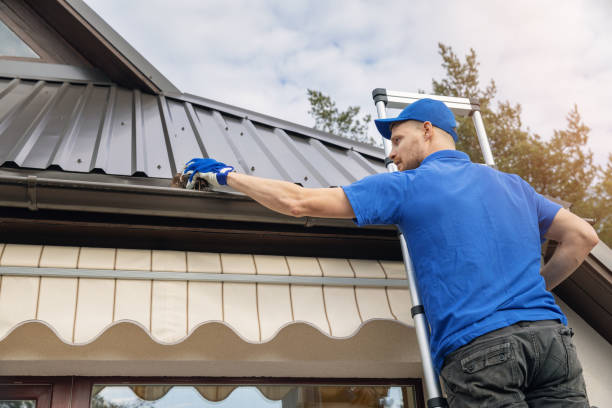
One of the first steps in hiring a roofing contractor is confirming they are properly licensed and insured. This protects both you as the homeowner and the contractor during the project.
- Licensing: Ensure the contractor has an up-to-date license that complies with your state or local requirements. This reflects their credibility and adherence to local building codes.
- Insurance Coverage: Confirm that they carry general liability insurance and workers’ compensation. This protects you from being held liable for any injuries or damages during the job.
Consider Experience and Expertise
Experience plays a significant role in delivering high-quality results. A contractor with years of hands-on experience will likely have encountered various challenges, equipping them with the skills needed for complex situations.
- Look for contractors who specialize in your specific type of roofing material (e. g. , shingles, tiles, metal).
- Ask how long they’ve been in business – companies with established reputations are typically more reliable.
- Request examples of completed projects or references from past clients.
Ask About Warranties
Reputable roofing contractors often provide warranties on both their workmanship and materials used. Understanding these guarantees can save you from unexpected expenses later.
- Workmanship Warranty: Covers installation errors or issues related to poor labor practices.
- Material Warranty: Offered by manufacturers, this covers defects in the materials themselves.
Be sure to get all warranty details in writing for future reference.
Evaluate Their Communication Skills
Effective communication is crucial when working on any home improvement project. Assessing a contractor’s responsiveness will give insight into how they handle customer concerns.
- Do they respond promptly to calls or emails?
- Are they transparent about timelines, costs, and potential challenges?
- Do they take time to answer all your questions thoroughly?
Clear communication ensures there are no misunderstandings throughout the project.
Review Online Reviews and References
Before making your final decision, take time to research online reviews on platforms such as Google My Business, Yelp, or Better Business Bureau (BBB).
- Timeliness
- Workmanship quality
- Cleanup after completion
- Customer service
Additionally, ask contractors directly for references so you can speak with previous clients about their experience.
| Criteria | Questions To Ask |
| Licensing & Insurance | Are you licensed? Can I see proof of insurance? |
| Experience | How many years have you been working in this field? |
| Warranties | What does your workmanship warranty cover? |
| Communication | How do you handle project updates? |
| References & Reviews | Can I speak with previous clients about their experience? |
Insist on Detailed Estimates
Obtaining multiple quotes from different contractors helps ensure you’re getting competitive pricing without sacrificing quality. However, don’t base your decision solely on cost—prioritize value over price.
- Labor costs
- Material costs
- Project timeline
- Payment schedule
This level of transparency helps avoid unexpected charges later on.
By taking these steps before hiring a roofing contractor, you’ll increase the likelihood of receiving top-notch service while protecting your investment in one of your home’s most critical components—the roof.
Innovative Roofing Solutions to Ensure Long-Term Water Damage Protection
Protecting your home from water damage begins with selecting the right roofing solutions. Innovative technologies and materials have revolutionized the roofing industry, making it possible to enhance durability, improve energy efficiency, and ensure long-term protection against water intrusion. Below are some of the most effective roofing solutions for addressing water-related concerns.
Modern Waterproofing Materials
Advanced waterproofing materials have become a cornerstone of durable roofing systems.
- Thermoplastic Polyolefin (TPO):A single-ply roofing membrane known for its reflective properties and resistance to UV rays, algae, and standing water.
- EPDM Rubber Roofing: A flexible and cost-effective material that offers excellent waterproofing capabilities. It is particularly useful in flat or low-slope roofs.
- Modified Bitumen Systems: Composed of layers of asphalt reinforced with fiberglass or polyester, these systems are durable and highly resistant to leaks.
Using high-quality waterproofing materials ensures your roof can withstand heavy rainfall and melting snow effectively.
Incorporating Effective Drainage Systems
Proper drainage is essential in preventing water from pooling on your roof.
- Gutter Guards: Prevent debris build-up in your gutters, allowing rainwater to flow freely away from your home.
- Scuppers: Ideal for flat roofs, these openings direct water into downspouts or away from the structure.
- Downspouts with Extensions: Ensure rainwater is directed far from the foundation of your home.
A well-designed drainage system reduces stress on the roof structure and prevents long-term water damage.
Seamless Roofing Systems
- Spray Polyurethane Foam (SPF) Roofing: This system involves applying a liquid foam layer that hardens into a seamless, watertight barrier.
- Liquid-Applied Membranes: These membranes are applied directly onto the roof surface and cure into a protective layer free of seams or gaps.
Both options work exceptionally well in minimizing leak risks by eliminating vulnerable joints or seams where water could potentially penetrate.
Advanced Coatings for Roof Longevity
- Silicone Coatings: Highly resistant to ponding water and UV deterioration. Works well for flat roofs prone to standing water issues.
- Acrylic Coatings: Reflective coatings that prevent heat buildup while offering additional protection against leaks.
- Elastomeric Coatings: Flexible coatings designed specifically for extreme temperatures and frequent exposure to moisture.
These coatings not only strengthen your roof but also help reduce energy consumption due to their reflective properties.
Comparison Table: Key Features of Innovative Roofing Solutions
| Solution Type | Benefits | Ideal For |
| TPO | Reflective surface; weather-resistant | Large commercial or residential roofs |
| EPDM | Cost-effective; flexible | Flat or low-slope roofs |
| Gutter Guards | Debris prevention; improved flow | Homes with trees nearby |
| SPF Roofing | Seamless; watertight | Flat roofs requiring extra insulation |
| Silicone Coatings | Ponding resistance | Areas with heavy rainfall |
Investing in innovative roofing solutions not only safeguards your home but also reduces repair costs over time by addressing potential vulnerabilities before they escalate into larger problems. By choosing advanced materials and systems tailored to meet specific climate challenges, homeowners can ensure their roofs remain resilient against prolonged exposure to moisture-related damage.
Why Working with Professional Roofing Contractors Ensures Quality Results
When it comes to maintaining or repairing your roof, opting for professional roofing contractors can make a significant difference. Here are several reasons why working with experienced professionals ensures quality results for your roofing needs.
Expertise and Experience
Professional roofing contractors possess specialized training and years of experience in handling various roofing systems.
- Accurately assess the condition of your roof.
- Recommend appropriate solutions tailored to your specific needs.
- Handle complex repairs or installations efficiently and safely.
Unlike DIY approaches, professional contractors understand the nuances of different materials and roofing structures, ensuring long-lasting results.
Use of High-Quality Materials
Reputable roofing contractors have access to premium-quality materials that may not be readily available to homeowners at retail stores.
| Material Type | Benefits | Examples |
| Asphalt Shingles | Cost-effective, durable | Architectural shingles |
| Metal Roofing | Long lifespan, energy-efficient | Steel, aluminum |
| Synthetic Roofing | Lightweight, eco-friendly | Plastic polymer shingles |
| Clay or Concrete Tiles | Weather-resistant, aesthetic appeal | Spanish tiles |
Using high-quality materials ensures that the roof withstands harsh weather conditions while maintaining aesthetic appeal.
Adherence to Safety Standards
Roofing work often involves inherent risks such as heights and heavy equipment handling. Professional contractors are trained in proper safety protocols and equipped with the right tools to minimize these risks.
- Reduced likelihood of accidents during the project.
- Compliance with local building codes and regulations.
- Protection for both workers and homeowners through liability insurance.
Attempting roof repairs without this expertise could lead to costly mistakes or injuries.
Time Efficiency
Hiring a professional roofing contractor saves time by streamlining the entire process.
- Comprehensive inspection tools.
- A clear project timeline from start to finish.
- Skilled labor capable of completing tasks promptly.
Without proper training, DIY attempts often take longer due to trial-and-error methods or a lack of resources.
Warranty Coverage
One significant benefit when working with professional contractors is access to warranties for both labor and materials. This ensures that any unforeseen issues post-installation or repair are addressed without additional costs.
- Manufacturer’s Warranty: Covers defects in roofing materials.
- Workmanship Warranty: Protects against installation errors by the contractor.
These warranties provide homeowners peace of mind knowing their investment is protected.
Customized Solutions
Every home has unique requirements based on its structure, design, and location-specific weather patterns.
- Installing proper sealing systems for areas prone to water pooling.
- Recommending energy-efficient options like reflective coatings or solar panels.
- Addressing ventilation concerns by improving airflow through proper attic insulation.
Such tailored approaches ensure optimal performance while enhancing overall durability.
Final Thoughts
Choosing a professional roofing contractor is an investment in quality workmanship, safety, and long-term performance. By leveraging their expertise, premium materials, adherence to safety protocols, and warranty offerings, you can protect one of your home’s most critical components—the roof—while avoiding unnecessary stress or expenses down the road.
Why Working with Professional Roofing Contractors Ensures Quality Results
When it comes to maintaining, repairing, or replacing your roof, the quality of the work can have long-term implications for the structural integrity of your home. Hiring a professional roofing contractor ensures that you not only receive superior craftsmanship but also benefit from their expertise, tools, and adherence to industry standards. Below are key reasons why working with professional roofing contractors is integral to achieving quality results.
Expertise and Experience
Professional roofing contractors bring years of experience and specialized training to the job.
- Identify underlying issues that may not be immediately visible, such as hidden water damage or poor ventilation.
- Recommend cost-effective solutions tailored to your specific roof type and materials.
- Execute complex projects safely and efficiently.
An experienced contractor will also stay updated on the latest roofing techniques and materials, ensuring that you receive modern, high-quality services.
Access to Quality Materials
Professional contractors have access to premium-grade materials that may not be readily available at local hardware stores.
- Enhancing the durability and lifespan of your roof.
- Providing better resistance against weather conditions, such as heavy rain, snow, or UV rays.
- Reducing maintenance costs over time.
Additionally, many professionals partner with trusted manufacturers, allowing them to offer warranties on both workmanship and materials.
Safety Compliance
Roofing work comes with significant risks. From working at heights to handling tools like nail guns or saws, safety should always be a priority.
- Following OSHA (Occupational Safety and Health Administration) guidelines.
- Using proper safety equipment such as harnesses and helmets.
- Training their teams on best practices for accident prevention.
By hiring a professional roofer, you minimize risks associated with injuries or property damage during the project.
Time Efficiency
Roofing projects can be time-consuming if handled improperly or without experience.
- Accurately estimating timelines based on project scope.
- Using advanced tools and techniques for faster installations or repairs.
- Coordinating teams effectively to complete tasks promptly without compromising quality.
This ensures minimal disruption to your daily routine while delivering excellent results within an agreed timeframe.
Cost Savings in the Long Run
| Factor | DIY/Unlicensed Workers | Professional Roofing Contractors |
| Material Costs | Higher – May purchase retail rates | Lower – Access wholesale rates |
| Repair Frequency | Frequent due to improper fixes | Minimal due to durable workmanship |
| Warranty Coverage | None | Material & labor warranties offered |
Investing in professionals reduces future expenses tied to repeated repairs or premature replacements.
Adherence to Building Codes
Local building codes dictate how roofs should be installed or repaired based on factors like climate conditions and structural requirements.
- Understanding regional regulations thoroughly.
- Securing required permits for roofing projects.
- Passing inspections from local authorities with ease.
Non-compliance can lead to fines or having parts of your roof redone — an issue avoided by entrusting licensed experts with the work.
Peace of Mind
- They provide clear estimates outlining labor costs, material prices, and timelines upfront.
- You can trust them for follow-up services if any issues arise post-installation or repair.
By relying on professionals who stand behind their work with guarantees or warranties, homeowners gain confidence knowing their property is in safe hands.
For long-lasting protection against wear-and-tear while maintaining aesthetic appeal, partnering with qualified roofing contractors is a decision you won’t regret.
- Key Signs You Need a Minneapolis Roofing Company for Immediate Repairs
- Top Reasons to Hire Licensed Roofing Services Minneapolis MN Experts
- The Importance of Regular Roof Inspections by a Trusted Roofer Minneapolis MN for Long-Lasting Protection
- Emergency Roof Repair: Finding a Reliable Roofing Contractor Minneapolis MN
- How Weather Impacts Your Roof and Why a Minneapolis Roofing Company is Essential
- Understanding Roof Repair and Replacement with a Trusted Minneapolis Roofing Company
- Effective Solutions to Common Roof Problems with a Trusted Roofing Contractor Minneapolis MN
- Essential Questions to Ask Before Hiring a Minneapolis Roofing Company