
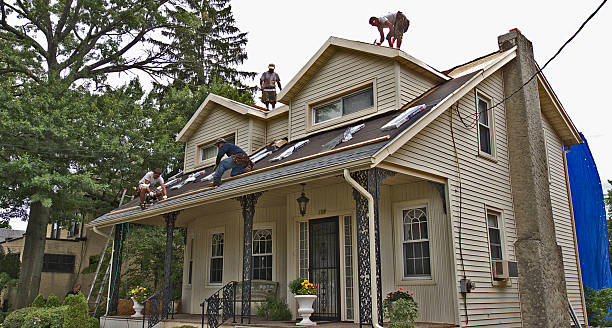
Your roof serves as the first line of defense against the elements. From blazing summer heat to torrential downpours, your roof endures constant exposure to changing weather conditions. Understanding how weather affects your roof and investing in weather-proof solutions can significantly extend its lifespan and safeguard your home.
Common Weather-Related Roof Challenges
- Rain and Moisture:
Continuous exposure to rain can lead to water infiltration, mold growth, and rotting of structural components if not adequately addressed. Poor drainage or clogged gutters can worsen these issues. - UV Rays and Heat:
Prolonged sun exposure can weaken roofing materials over time, causing them to crack, warp, or lose their protective properties. This is especially true for asphalt shingles and other materials that degrade under intense heat. - Snow and Ice:
Heavy snow accumulation can strain your roof’s structure, while ice dams may form at the edges, preventing proper water runoff. This increases the risk of leaks during thawing cycles. - Wind Damage:
Strong winds may loosen or remove shingles entirely, leaving parts of your roof vulnerable to further damage from rain or debris. - Hailstorms:
Hail can cause dents in metal roofs or cracks in shingles, which compromise the surface’s ability to repel water effectively.
Benefits of Weather-Proof Roofing Solutions
- Enhanced Protection Against Elements
Advanced roofing materials such as metal panels, impact-resistant shingles, or slate tiles are designed to withstand extreme conditions like hailstorms and heavy winds. - Improved Energy Efficiency
Reflective roofing materials reduce heat absorption during summer months, keeping your home cooler and lowering energy bills. - Minimized Maintenance Costs
Weather-proof roofs often require fewer repairs since they resist damage from harsh climates better than traditional systems. - Increased Longevity
High-quality materials ensure that your roof remains intact for decades with minimal wear-and-tear from environmental factors.
Features To Look For In a Weather-Proof Roof
| Feature | Benefit | Example Materials |
| Impact Resistance | Reduces damage from hailstones | Impact-rated shingles |
| Thermal Reflectivity | Lowers indoor temperatures during hot summers | Cool metal roofing |
| Water Resistance | Prevents leaks caused by heavy rains | Rubber membranes |
| High Wind Tolerance | Withstands strong gusts without detaching | Standing seam metal roofs |
Partnering with Professionals for Weather-Proof Solutions
- Identify vulnerabilities in current roofing systems.
- Recommend suitable products based on regional climate.
- Install proper insulation and ventilation systems.
- Perform precise work that complies with building codes.
How Extreme Weather Affects Your Roof: Insights from a Roofing Contractor Minneapolis MN
The roof of your home is the first line of defense against nature’s unpredictable forces. High winds, hailstorms, and extreme weather conditions not only test the resilience of your roof but can also lead to costly damage if it’s not built or maintained to withstand these challenges. Understanding how these elements affect your roof’s integrity is essential for homeowners who want to protect their property and investment.
How High Winds Affect Your Roof
High winds can cause significant damage to roofing systems in several ways: – Shingle Damage: Strong winds can lift or tear shingles, leaving the underlayment and decking exposed to water infiltration. – Debris Impact: Winds often carry branches and debris that can strike the roof, leading to punctures or dents. – Edge Weakness: The edges of a roof are particularly vulnerable. Improperly secured shingles or materials at these points may loosen or fly off completely during high winds.
To reduce wind-related risks: – Ensure proper installation and secure fastening of shingles. – Use wind-resistant materials rated for high-speed gusts. – Regularly inspect roof edges for signs of wear or looseness.
The Dangers Hailstorms Pose
Hailstones vary in size but even small ones can wreak havoc on a roof over time. Their impact can: – Crack Shingles: Asphalt shingles may crack under repeated blows from hailstones. – Granule Loss: The protective granules on shingles may wear off due to hail, reducing UV protection and shortening the lifespan of your roof. – Structural Weakening: In severe cases, large hailstones can compromise structural components, creating weak spots that allow leaks.
For added protection against hail: 1. Install impact-resistant roofing materials such as Class 4-rated shingles. 2. Schedule periodic inspections after major hail events to catch potential damage early.
Extreme Weather and Temperature Fluctuations
Extreme weather conditions such as heavy snowfalls, ice storms, or heatwaves test your roof over time: – Thermal Expansion: Extreme heat causes materials like metal or asphalt to expand, potentially leading to cracks when they cool down rapidly at night. – Ice Dams: In cold climates, melting snow refreezes at eaves and gutters forming ice dams that prevent proper drainage. This results in water backing up under shingles causing leaks. – Water Saturation: Prolonged rains saturate roofing materials which could lead to mold growth or structural rot if left unchecked.
Combatting extreme weather impacts involves:
| Preventative Measure | Benefit | |——————————-|———————————-| | Proper Attic Ventilation | Regulates temperature changes | | Installing Ice & Water Shields| Prevents water infiltration | | Routine Roof Maintenance | Identifies weaknesses early |
Why Proactive Measures Matter
The forces of nature are inevitable, but their impact on your home doesn’t have to be devastating. A well-maintained roof designed with durable materials ensures greater resilience against high winds, hailstorms, and other harsh conditions. Partnering with professional roofing contractors who understand regional climate challenges is key to safeguarding your home’s structural integrity for years ahead.
How High Winds, Hailstorms, and Extreme Weather Affect Your Roof According to a Roofer Minneapolis MN
Weather can significantly impact the condition and longevity of your roof. High winds, hailstorms, and other extreme weather events often result in damage that compromises your roof’s integrity over time. By understanding these effects, homeowners can take proactive measures to protect their homes and avoid costly repairs.
Effects of High Winds on Your Roof
High winds are among the most common causes of roof damage. They often create pressure imbalances that can lift shingles or even dislodge entire sections of roofing. The edges and corners of roofs are particularly vulnerable to this type of damage.
Key issues caused by high winds include:
– Shingle Removal: Strong gusts may lift shingles, leaving the underlayment exposed to moisture infiltration. – Debris Impact: Flying objects like tree branches or loose materials can puncture or damage roofing material. – Structural Strain: Persistent strong winds can weaken fasteners and structural components over time.
Hailstorm Damage
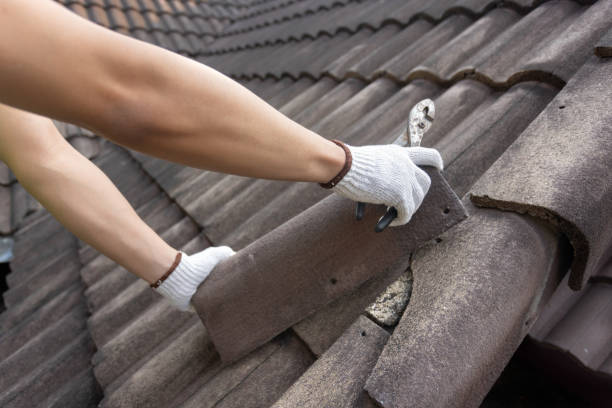
Hail is another significant threat to roof durability. The extent of damage from a hailstorm depends on the size, density, and speed of the hailstones, as well as the age and material of your roof. Common consequences include:
– Dents in Roofing Materials: Metal roofs may develop dents that reduce their efficiency or lifespan. – Cracked Shingles: Asphalt shingles may crack or lose granules during a heavy hailstorm. – Compromised Waterproof Layers: Hail damage often leads to leaks by penetrating waterproof membranes.
The Long-Term Effects of Extreme Weather
Extreme weather conditions such as heavy snowfall, heatwaves, or thunderstorms also contribute to long-term wear: – Snow buildup adds weight to your roof structure and may cause sagging. – Intense sunlight deteriorates asphalt shingles by breaking down their protective coating. – Heavy rain can exploit small vulnerabilities in flashing or seals, leading to water ingress.
| Weather Condition | Common Damages | Recommended Action |
| High Winds | Shingle lifting; edge weakness | Inspect edges; secure loose areas |
| Hailstorms | Cracks; granule loss | Replace damaged shingles |
| Heavy Snowfall | Roof sagging | Regular snow removal |
| Intense Heat | Asphalt breakdown | Apply reflective coatings |
How You Can Mitigate These Risks
To minimize the effects of harsh weather conditions on your roof’s integrity:
1. Schedule regular inspections with a licensed roofing contractor to identify vulnerabilities early. 2. Invest in high-quality materials resistant to wind uplift, moisture infiltration, and temperature fluctuations. 3. Install proper flashing around chimneys, skylights, vents, and valleys for enhanced leak prevention. 4. Trim trees near your home to prevent branches from striking your roof during storms.
By understanding how different weather conditions impact roofing systems and taking preventative steps with professional guidance, you can ensure that your home remains well-protected year-round from potential damages caused by nature’s forces.
Smart Tips for Choosing the Best Roofing Services Minneapolis MN Has to Offer
Selecting the right roofing contractor for your home is a critical decision that can impact the safety, durability, and aesthetic of your property. Making an informed choice involves careful consideration of a contractor’s expertise, reputation, and the quality of their materials and services. Below are actionable tips to help guide you through this process.
Research Contractor Credentials
Hiring a licensed and insured roofing contractor is non-negotiable. Always verify:
– Licensing: Ensure the contractor has proper licensing as per state or local laws.
– Insurance: Confirm they carry liability insurance and worker’s compensation to protect you from financial liabilities during accidents or damage.
– Certifications: Look for certifications from reputable manufacturers or industry organizations like GAF or CertainTeed, which indicate advanced training and expertise.
Assess Their Experience in the Industry
Experience matters when it comes to roofing projects. Look for contractors who have been in business for several years, as they are more likely to have a proven track record. Asking about their experience with similar roofs (e.g., asphalt shingles, metal roofing, flat roofs) ensures they’re equipped to handle your specific needs.
Check Reviews and References
Reputation provides valuable insight into a contractor’s reliability and quality of work. Here’s how you can evaluate it:
1. Online Reviews: Browse trusted review platforms such as Google Reviews, Yelp, or Angie’s List for customer feedback. 2. References: Ask the contractor directly for references and contact previous clients to learn about their experiences. 3. Local Reputation: Contractors with established roots in your community often provide better service due to their local accountability.
Request Detailed Estimates
A trustworthy roofing professional will provide a written estimate outlining all costs associated with the project before beginning work. Pay attention to:
– Labor charges – Material costs – Cleanup fees – Potential unforeseen expenses
Make sure there are no hidden charges by reviewing the document thoroughly.
| Item | Importance |
| Licensing | Ensures compliance with legal standards |
| Insurance | Protects homeowners from liability risks |
| Certifications | Reflects specialized training |
Evaluate Warranty Options
A reliable roofer should offer warranties that cover both materials and workmanship. Manufacturer warranties typically cover defects in materials, while workmanship warranties safeguard against errors in installation.
Questions to ask about warranties include: – What is covered under the warranty? – How long does it last? – Is it transferable if you sell your home?
Comparison Shopping Pays Off
Don’t settle on the first quote you receive; instead, gather at least three estimates from different contractors. Comparing these quotes helps identify fair pricing without compromising quality.
Avoid Red Flags
Be cautious if a contractor exhibits any of these behaviors: – Pressures you into making an immediate decision. – Requests cash-only payments. – Fails to provide clear documentation or references.
By researching thoroughly and evaluating each option carefully, homeowners can confidently choose a roofing contractor who meets their needs while ensuring high-quality results tailored specifically for their roof type and climate conditions.
Timely Roof Repair and Inspections Are Essential for Protection Against Harsh Conditions
Regular maintenance and prompt attention to roofing issues are crucial for ensuring the longevity and durability of your roof. Timely repairs and inspections not only safeguard your home but also help you avoid costly damages caused by harsh weather conditions. Here’s why staying proactive with roof care matters and how you can implement it effectively.
Why Timely Repairs Are Essential
- Water Leaks: Even minor cracks or missing shingles can allow water to seep through, causing interior damage such as mold growth, weakened structures, or ruined insulation.
- Structural Issues: Neglected repairs may compromise the integrity of the roof over time, leading to sagging or even collapse in extreme situations.
- Increased Repair Costs: What could have been a simple patch job may turn into an expensive overhaul if left unattended.
- Energy Inefficiency: Damaged roofs often result in heat loss during winter months or increased cooling needs during summer, spiking energy bills unnecessarily.
Scheduling timely repairs helps address these risks before they become serious concerns.
The Importance of Regular Inspections
- Detecting early signs of wear and tear, such as loose shingles or deteriorating flashing
- Identifying potential weak spots that could worsen under extreme conditions like heavy snow or high winds
- Ensuring proper drainage by checking gutters and downspouts for blockages
- Prolonging the lifespan of your roofing system by addressing problems proactively
Additionally, post-storm inspections are essential after severe weather events like hailstorms or hurricanes. These assessments help uncover damages caused by debris impact, strong winds, or excessive rainfall.
Tips for Implementing a Maintenance Schedule
- Partner with a Trusted Roofing Contractor
Work with licensed professionals experienced in conducting thorough inspections and quality repairs. - Create a Maintenance Calendar
Mark specific months for inspections—spring (after winter) and fall (before winter). This will keep you consistent with upkeep tasks. - Monitor After Severe Weather
Pay attention to your roof after intense storms even if no visible damage is present. Call an expert if you’re unsure about potential issues. - Keep Records
Maintain a log of past repairs, inspection reports, warranties, and materials used on the roof to track its condition over time. - Budget for Repairs & Maintenance
Plan ahead financially so unexpected damages do not strain your budget when immediate action is needed.
Comparing Costs: Proactive vs Reactive Roof Care
| Maintenance Approach | Cost Implications | Potential Risks |
| Proactive (Timely Repairs & Inspections) | Lower long-term expenses | Minimizes chances of large-scale damage |
| Reactive (Ignoring Issues) | Higher repair/replacement costs later | Water intrusion, structural instability, higher energy bills |
By investing in preventive measures now, homeowners can avoid unpredictable expenses while ensuring peace of mind during harsh weather events.
Properly caring for your roof through timely repairs and regular inspections is integral to protecting your home from nature’s unpredictability. Prioritizing routine maintenance ensures safety while prolonging the life cycle of one of the most critical components of any property.
- Key Signs You Need a Minneapolis Roofing Company for Immediate Repairs
- Top Reasons to Hire Licensed Roofing Services Minneapolis MN Experts
- The Importance of Regular Roof Inspections by a Trusted Roofer Minneapolis MN for Long-Lasting Protection
- Emergency Roof Repair: Finding a Reliable Roofing Contractor Minneapolis MN
- How Weather Impacts Your Roof and Why a Minneapolis Roofing Company is Essential
- Understanding Roof Repair and Replacement with a Trusted Minneapolis Roofing Company
- Effective Solutions to Common Roof Problems with a Trusted Roofing Contractor Minneapolis MN
- Essential Questions to Ask Before Hiring a Minneapolis Roofing Company