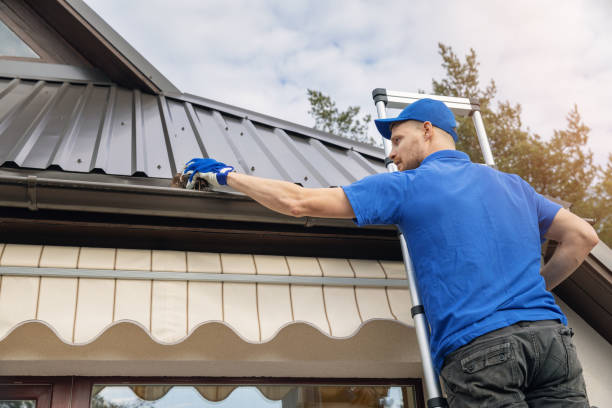
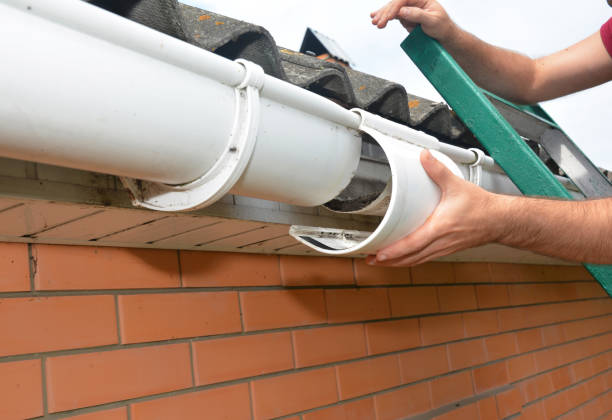
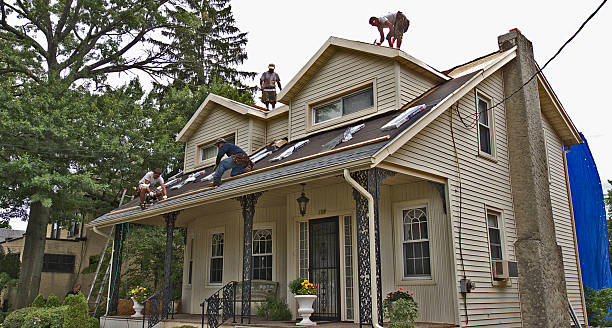
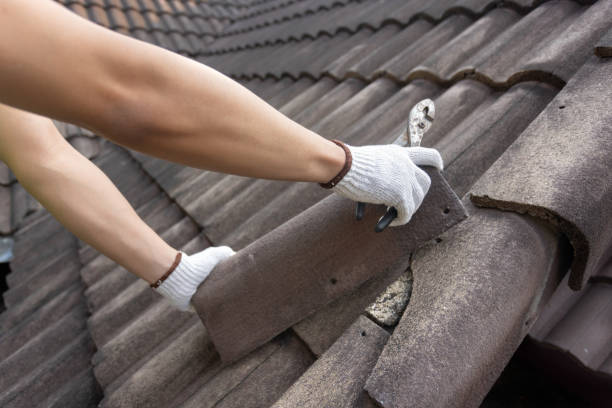
Top Reasons to Hire Licensed Roofing Services Minneapolis MN Experts
 Katharine Tozier
When it comes to maintaining, repairing, or replacing your roof, hiring the right professional is critical. A licensed roofing contractor is a professional who has met specific state or local requirements to perform roofing work legally. These requirements often include passing exams, demonstrating expertise in the field, and carrying liability insurance and worker’s compensation coverage. But why should you prioritize hiring a licensed contractor over others? Below are several compelling reasons.
What Defines a Licensed Roofing Contractor?
A licensed roofing contractor differs from an unlicensed one in terms of credentials and accountability.
- Legally Certified: They possess the necessary permits and certifications required by local regulatory bodies.
- Industry Expertise: They meet standards for knowledge and technical skill through testing or training.
- Insured: A licensed contractor typically carries liability insurance to protect their clients from unexpected damages.
- Workplace Safety Compliance: They follow safety protocols on-site to reduce risks during roof installations or repairs.
Top Reasons to Hire a Licensed Roofing Contractor
- Licensed contractors are well-versed in local building codes and regulations.
- This ensures that your roof installation or repair meets legal standards, preventing potential fines or future complications.
- Their training equips them with the skills needed for high-quality craftsmanship.
- Licensed professionals often use proper techniques and materials that align with industry standards.
- Most licensed contractors carry general liability insurance, which protects homeowners from financial burdens if something goes wrong during the project.
- Worker’s compensation coverage protects you from being held liable for injuries sustained by workers on your property.
- Working with a licensed roofer reduces stress because they are held accountable by regulatory boards.
- Licensing also serves as proof that they take their trade seriously.
- Many manufacturers’ warranties require work to be performed by licensed professionals to remain valid.
- Hiring an unlicensed contractor could void your warranty, leaving you without recourse if issues arise later.
- Licensed contractors are more likely to provide formal contracts outlining expected costs, timelines, and deliverables for transparency.
- This minimizes confusion and protects both parties during disputes.
Common Misconceptions About Hiring Unlicensed Contractors
Some homeowners may consider hiring an unlicensed roofer due to lower costs upfront.
| Misconception | Reality |
| Unlicensed contractors save money | Poor craftsmanship can lead to costly repairs down the line |
| Permits aren’t necessary | Projects without permits may lead to fines or problems when selling your home |
| Insurance isn’t important | You could be financially liable for accidents occurring on your property |
Final Thoughts
Hiring a licensed roofing contractor ensures professionalism, quality workmanship, compliance with regulations, and protection against liabilities. While it may cost slightly more upfront than hiring an unlicensed individual or company, the long-term benefits—such as durability of work performed and financial security—far outweigh these initial savings.
When planning any roofing project—whether minor repairs or full replacements—it is always wise to verify licensing credentials before making your decision.
Important Tips for Choosing a Minneapolis Roofing Company
When it comes to roofing projects, hiring a licensed roofing contractor ensures quality workmanship, compliance with local regulations, and peace of mind. Below are the key aspects you should know when considering hiring a licensed professional for your roofing needs.
What Does Being Licensed Mean for Roof Repair?
A licensed roofing contractor has met specific state or local requirements that demonstrate their competence and ability to perform roofing work.
- Completing training or coursework in roofing practices.
- Passing an exam covering safety standards, building codes, and technical skills.
- Providing proof of insurance and bonding.
- Maintaining proper credentials through renewal processes.
Hiring a licensed contractor ensures that the individual or company you are working with is committed to industry standards and legal compliance.
Benefits of Hiring a Licensed Roofing Contractor
- Adherence to Building Codes
Licensed contractors stay up-to-date with local building codes, ensuring your roof complies with all legal regulations. - Insurance Coverage
Most licensed contractors carry liability insurance and workers’ compensation coverage. This protects both the homeowner and the workers in case of accidents or property damage during the project. - Quality Assurance
Licensure signifies that a contractor has undergone rigorous vetting for skill, knowledge, and reliability. This reduces the risk of poor workmanship or substandard materials being used. - Access to Warranties
Many manufacturers offer warranties on materials only if they are installed by certified or licensed professionals. - Legal Protection
Working with an unlicensed contractor can lead to legal issues if something goes wrong during the project. A licensed professional provides accountability through formal agreements.
Red Flags When Evaluating Contractors
- Lack of license number displayed on advertisements or business cards.
- Reluctance to provide proof of licensure upon request.
- No insurance documentation available.
- Unusually low bids compared to market rates (this could indicate cutting corners).
Questions You Should Ask Before Hiring
| Question | Why It’s Important |
| Are you licensed in this state? | Confirms valid licensure in your location. |
| Can you provide proof of insurance? | Ensures protection against liabilities. |
| How long have you been in business? | Demonstrates experience and reliability. |
| Do you offer written contracts? | Guarantees transparency in project scope. |
Summary Checklist for Homeowners
- Verify their license number through your state’s licensing board website.
- Request references from previous clients.
- Confirm they have adequate experience handling projects similar to yours.
- Obtain multiple quotes from different contractors for comparison.
- Review online reviews but be cautious about relying solely on them without verification.
By taking these steps and focusing on hiring a qualified professional, you can safeguard your investment while ensuring your roof is installed or repaired properly according to industry standards.
Essential Licensing Requirements for a Roofing Contractor Minneapolis MN
When it comes to hiring a roofing contractor, ensuring they are properly licensed is one of the most important steps you can take. Licensing is a vital indicator of a contractor’s credibility, professionalism, and commitment to adhering to industry standards. To make informed decisions about hiring a professional roofer, it’s essential to understand the key licensing requirements and why they matter.
What Does a Roofing Contractor’s License Represent?
A roofing license signals that the contractor has met specific requirements established by state or local authorities.
- Knowledge Verification: Licensed contractors must pass exams that assess their expertise in roofing techniques, safety protocols, and building codes.
- Insurance Coverage: Most licensing authorities require proof of liability insurance and workers’ compensation insurance to protect homeowners from potential liabilities.
- Compliance with Local Codes: Licensed contractors are knowledgeable about local building regulations, ensuring that your roof installation or repair meets all legal standards.
- Continuing Education: In many states, contractors must participate in ongoing education programs to maintain their licenses and stay updated on evolving industry practices and technologies.
Differences in Licensing Requirements by State
It’s important to note that licensing requirements vary significantly from state to state.
| State | License Required? | Additional Requirements |
| California | Yes – CSLB C-39 License | Workers’ comp insurance; 4 years of journeyman-level experience required for application. |
| Texas | No statewide requirement | Some municipalities may mandate registration or licensing at the local level. |
| Florida | Yes – Roofing Contractor License | Must pass two-part exam (trade knowledge + business law), provide proof of financial stability. |
| New York | Varies by jurisdiction | Many counties require a Home Improvement Contractor license instead. |
Always verify your state or local area’s specific licensing guidelines before hiring a roofing professional.
Benefits of Hiring a Licensed Contractor
- Peace of Mind– A licensed contractor adheres to standardized practices, reducing risks associated with poor workmanship or code violations.
- Legal Protection– Most states have regulatory boards overseeing licensed contractors, offering homeowners recourse if disputes arise during the project.
- Safety Assurance– Licensed professionals follow strict safety guidelines designed to protect workers and property during installations or repairs.
- Higher Quality Materials Access– Many manufacturers only work with licensed contractors for warranty-protected installations.
- Increased Property Value– Properly installed roofs by qualified professionals ensure compliance with codes, which positively impacts property resale value.
Verifying Licenses Before Hiring
- Request their license number and verify it through your state’s official licensing portal or department website.
- Check for active insurance coverage tied to their license.
- Research any complaints filed against them through regulatory agencies like the Better Business Bureau (BBB).
By understanding these essential requirements and performing due diligence before hiring a roofer, you can safeguard your investment while ensuring high-quality results for your home improvement project.
Important Factors to Consider When Working with Non-Licensed Roofing Contractors
When it comes to hiring a roofing contractor, the decision to work with a licensed or non-licensed professional can significantly impact the quality of the work and your overall experience. While working with a non-licensed roofing contractor may seem like a cost-effective option initially, there are several critical factors you should consider before making that choice. Below, we outline key aspects to keep in mind when dealing with non-licensed roofing contractors.

Non-licensed contractors are not bound by state or local licensing requirements, which often include training, insurance coverage, and adherence to safety standards.
- Improper Installation– Without formal training or certification, they may lack the skills needed for proper roof installation or repairs.
- Safety Hazards– Non-compliance with workplace safety regulations might increase the likelihood of accidents.
Hiring a non-licensed roofing contractor could leave you without sufficient legal protections in case something goes wrong during the project.
| Issue | Licensed Contractor | Non-Licensed Contractor |
| Liability for Accidents | Covered by Insurance | May fall on homeowner |
| Work Warranty | Typically Provided | Often Not Offered |
| Legal Disputes | Easier to Resolve | Difficult and Costly |
Without proper licensing, it becomes challenging to hold non-licensed contractors accountable for subpar work or damages.
Licensed contractors typically carry both general liability insurance and workers’ compensation coverage.
- You may be financially responsible for repair costs if property damage occurs.
- You could be liable for medical costs if a worker is injured on your property.
Licensed contractors tend to work with vetted suppliers and use high-quality materials compliant with building codes.
- Non-licensed roofers might use cheaper, substandard materials that compromise durability.
- You risk needing frequent repairs due to poor workmanship.
Signs of poor-quality workmanship can include uneven shingles, improper sealing around vents, and visible gaps in flashing.
- Repairs associated with improper installation can accumulate significant costs.
- The roof’s lifespan may shorten due to inferior materials or poor craftsmanship.
- A lack of warranty on labor means you’ll bear additional repair costs yourself.
In many jurisdictions, only licensed professionals can secure necessary permits for roofing projects.
- Your project might proceed without appropriate permits.
- Future inspections could flag unpermitted work as a violation.
This could result in fines or force you to redo portions—or the entirety—of your roof at your expense.
Final Thought
Working with non-licensed roofing contractors comes with significant risks ranging from legal issues and liability concerns to compromised quality and increased long-term expenses. To protect your investment—and your peace of mind—consider whether short-term savings are worth these potential drawbacks before deciding who should handle your roofing needs. Always weigh these factors carefully before hiring any contractor for such an essential component of your home’s structure.
Understanding Roof Lifespan: Insights from a Roofer Minneapolis MN
The lifespan of your roof is one of the most critical factors to consider when assessing its overall performance and durability. While many homeowners assume their roof will last indefinitely, the truth is that various factors influence how long a roof can truly withstand the elements. From material type to installation quality and ongoing maintenance, understanding these variables can help you make informed decisions about your roofing system.
Key Factors That Impact Roof Lifespan
Several factors determine how long your roof will last.
- Metal roofs: 40–70 years
- Wood shakes or shingles: 25–40 years
- Clay or concrete tiles: 50–100 years
- Slate tiles: Over 100 years (with proper maintenance)
- Installation Quality
Proper installation is crucial for maximizing the longevity of your roof. Poorly installed roofs are more prone to leaks, sagging, and premature wear, cutting their lifespan significantly short. - Climate and Weather Conditions
Extreme weather events like storms, hail, high winds, and frequent temperature fluctuations can accelerate wear and tear on your roofing system. - Ongoing Maintenance
Regular inspections, cleaning gutters, and addressing minor repairs promptly can extend the life of your roof considerably.
Roofing Materials Comparison Table
| Material | Average Lifespan | Maintenance Level |
| Asphalt Shingles | 20–30 years | Moderate |
| Metal Roofing | 40–70 years | Low |
| Wood Shakes/Shingles | 25–40 years | High |
| Clay/Concrete Tiles | 50–100 years | Low |
| Slate Tiles | Over 100 years | Low/Moderate |
Tips to Maximize Your Roof’s Lifespan
- Schedule Regular Inspections– Professional inspections at least once a year help identify issues like loose shingles or leaks before they become major problems.
- Clean Gutters Frequently– Blocked gutters can lead to water pooling on your roof, increasing susceptibility to rot and structural damage.
- Trim Overhanging Branches– Prevent damage from falling branches or leaves that trap moisture on the roof surface.
- Address Repairs Promptly– Even small issues like cracked shingles or minor leaks should be fixed immediately to prevent further degradation.
- Invest in Quality Materials– Choosing durable materials appropriate for your climate ensures better resistance against environmental stressors.
When Should You Replace Your Roof?
Knowing when it’s time for a replacement is just as important as understanding a roof’s expected lifespan.
- Frequent leaks despite repeated repairs
- Visible sagging in areas of the roof
- Curled or missing shingles
- Excessive granule loss from asphalt shingles
- Mold or moss growth that compromises structural integrity
Delaying replacement beyond these warning signs could lead to costly damage in other areas of your home, such as walls or ceilings.
By taking proactive steps in maintaining your roofing system and understanding its expected durability based on materials used, you can ensure that it provides reliable protection for decades while minimizing unexpected expenses due to premature failure.
Understanding Roofing Warranties: Lifetime vs.
Roofing warranties are critical for protecting your investment and providing peace of mind. However, warranties can vary widely, and understanding the differences between lifetime and limited options is essential for making informed decisions. Below, we break down the key aspects of roofing warranties to help you determine which option best suits your needs.
Types of Roofing Warranties
- Covers defects in roofing materials.
- Typically offered by the company producing the roofing materials.
- Often includes terms like “limited” or “lifetime,” depending on the coverage period.
- Covers installation errors or poor workmanship.
- Provided directly by the contractor who installs your roof.
- Coverage periods may range from 1 year to over 10 years, depending on the contractor.
Lifetime Warranties: What They Really Mean
A “lifetime” warranty often sounds like a comprehensive guarantee, but its meaning may differ depending on the manufacturer or contractor.
- Coverage Period: In most cases, “lifetime” refers to the expected lifespan of your roof under normal conditions. For example, a shingle roof with a lifetime warranty might be covered for around 25-30 years.
- Proration: Lifetime warranties may become prorated after a certain number of years. This means that as time passes, you’ll receive less compensation for repairs or replacements.
- Transferability: Some lifetime warranties allow one-time transfers if you sell your home within a specified timeframe. Always check these terms if resale is in your plans.
Limited Warranties: A Cost-Effective Option?
Limited warranties provide basic protection but with reduced coverage compared to lifetime guarantees.
- Shorter Duration: Coverage may be capped at 10-20 years depending on material quality.
- Specific Restrictions: Coverage might apply only under certain conditions, such as proper maintenance or installation by certified contractors.
- Lower Costs: Limited warranties are often included at no additional cost when purchasing materials.
| Feature | Lifetime Warranty | Limited Warranty |
| Coverage Period | Typically 25-30+ years | 10-20 years |
| Proration | Often becomes prorated over time | Typically prorated from day one |
| Transferability | Sometimes transferable | Rarely transferable |
| Cost | Higher upfront costs | Lower initial costs |
- Roofing Material
- Budget
If upfront costs are a concern, limited warranties may be more appealing while still offering basic protection. - Climate and Weather Conditions
Homes in areas prone to extreme weather might benefit from extended coverage provided by lifetime options. - Future Plans for Your Home
If you plan to sell your home in a few years, consider whether transferable warranty coverage could add value during resale.
Common Exclusions in Roofing Warranties
- Damage caused by improper maintenance or neglect.
- Issues stemming from third-party installations (e. g. , solar panels).
- Natural disasters like hurricanes or earthquakes unless specifically covered under an extended policy.
By carefully reviewing warranty terms and understanding their limitations, you can make an informed decision about protecting your roof investment without unexpected surprises later on.
The Ultimate Winter Storm Preparedness Checklist for Your Roof
Winter storms can wreak havoc on your roof if it is not properly prepared. Snow, ice, wind, and freezing temperatures can lead to severe damage that may result in costly repairs or even structural issues. To help you safeguard your home during the cold months, here is a comprehensive winter storm preparedness checklist for your roof.
Inspect Your Roof Before Winter Hits
Before the first snowstorm arrives, conduct a thorough inspection of your roof.
- Loose or missing shingles: These can create entry points for water.
- Damaged flashing: Ensure flashing around chimneys, vents, and skylights is intact to prevent leaks.
- Sagging areas: A sagging roof could indicate structural weaknesses that won’t withstand heavy snow loads.
- Clogged gutters and downspouts: Clear debris to allow proper drainage during thaws.
If you are uncertain about identifying potential issues, consider hiring a licensed roofing contractor for a professional inspection.
Clean Your Gutters and Downspouts
One of the most important steps in preparing your roof for winter storms is ensuring proper drainage. Clogged gutters can cause ice dams—thick ridges of ice that prevent melting snow from draining off the roof.
– Water leaks into the interior of your home. – Damage to shingles and insulation. – Increased risk of mold growth due to trapped moisture.
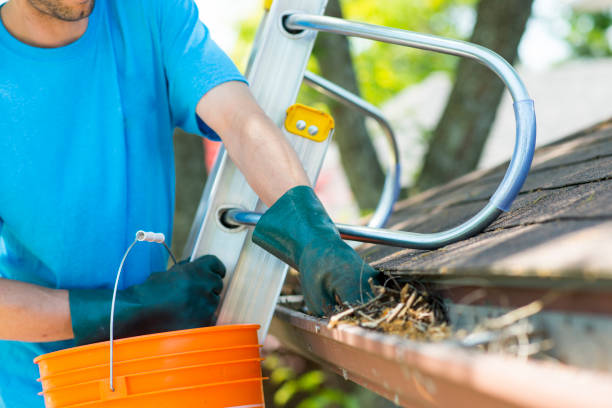
Use a ladder to carefully remove leaves, sticks, and other debris from gutters. Flush downspouts with water if necessary to confirm they are clear.
Trim Overhanging Trees
Heavy branches laden with snow or ice pose a serious threat to your home’s roof. These branches can break under pressure and cause direct damage by puncturing shingles or creating dents. Trimming overhanging branches will also minimize the accumulation of leaves on your roof and in gutters.
Check Attic Ventilation and Insulation
Proper attic ventilation and insulation play key roles in preventing winter-related roofing problems such as condensation buildup and ice dams.
– There are no blockages in airflow within attic vents. – Insulation levels are adequate to maintain consistent indoor temperatures. – Warm air from inside does not escape into the attic space, which causes melting snow to refreeze at eaves.
A well-maintained attic can significantly extend the lifespan of your roofing system during harsh weather conditions.
Equip Yourself With Essential Winter Maintenance Tools
Having the right tools on hand can make all the difference when dealing with snow buildup on your roof after a storm strikes.
1.A snow rake designed specifically for rooftops with extended reach capabilities. 2.Calcium chloride deicer, which melts ice without damaging shingles (avoid rock salt as it may corrode materials). 3. Protective equipment like gloves and non-slip boots for personal safety during maintenance tasks.
Using these tools promptly after heavy snowfall helps alleviate excess weight on your roof while preventing moisture damage caused by melting ice.
Schedule Preventive Repairs Before Winter Arrives
Small issues left unaddressed—like minor leaks or cracked seals—can worsen quickly under extreme conditions like freezing rain or heavy snowfall.
1. Contact a licensed roofing contractor immediately. 2. Prioritize repairs before inclement weather further exacerbates damage risks. 3. Discuss long-term solutions like improved waterproofing measures if needed.
Regular maintenance performed ahead of time ensures peace of mind during even the harshest winters.
| Checklist Item | Why It’s Important |
| Inspect roofing materials | Identifies vulnerabilities before storms strike |
| Clean gutters | Prevents formation of damaging ice dams |
| Trim nearby tree branches | Reduces risk from falling debris |
| Check attic ventilation/insulation | Minimizes condensation & heat loss |
| Invest in appropriate tools | Facilitates safe post-storm cleanup |
By addressing these points proactively, you’ll shield both your home’s structure and wallet from unnecessary stress this winter season while maintaining safety as a priority.
- Key Signs You Need a Minneapolis Roofing Company for Immediate Repairs
- Top Reasons to Hire Licensed Roofing Services Minneapolis MN Experts
- The Importance of Regular Roof Inspections by a Trusted Roofer Minneapolis MN for Long-Lasting Protection
- Emergency Roof Repair: Finding a Reliable Roofing Contractor Minneapolis MN
- How Weather Impacts Your Roof and Why a Minneapolis Roofing Company is Essential
- Understanding Roof Repair and Replacement with a Trusted Minneapolis Roofing Company
- Effective Solutions to Common Roof Problems with a Trusted Roofing Contractor Minneapolis MN
- Essential Questions to Ask Before Hiring a Minneapolis Roofing Company